Exceptional Standards of Care
Anesthesia Safety & Monitoring Protocol
We understand that the thought of putting your pet under anesthesia can be stressful. We treat every pet like our own, utilizing advanced monitoring equipment and dedicated veterinary technicians to ensure the safest possible experience.
Peace of Mind for You, Safety for Your Pet
Whether your pet is coming in for a routine dental cleaning, a spay/neuter, or a more complex surgical procedure, anesthesia is often necessary to prevent pain, alleviate anxiety, and ensure they remain perfectly still.
While there is always some degree of risk associated with anesthesia, the protocols, medications, and monitoring technologies we use at Mill Creek Veterinary Hospital are designed to minimize those risks as much as medically possible.
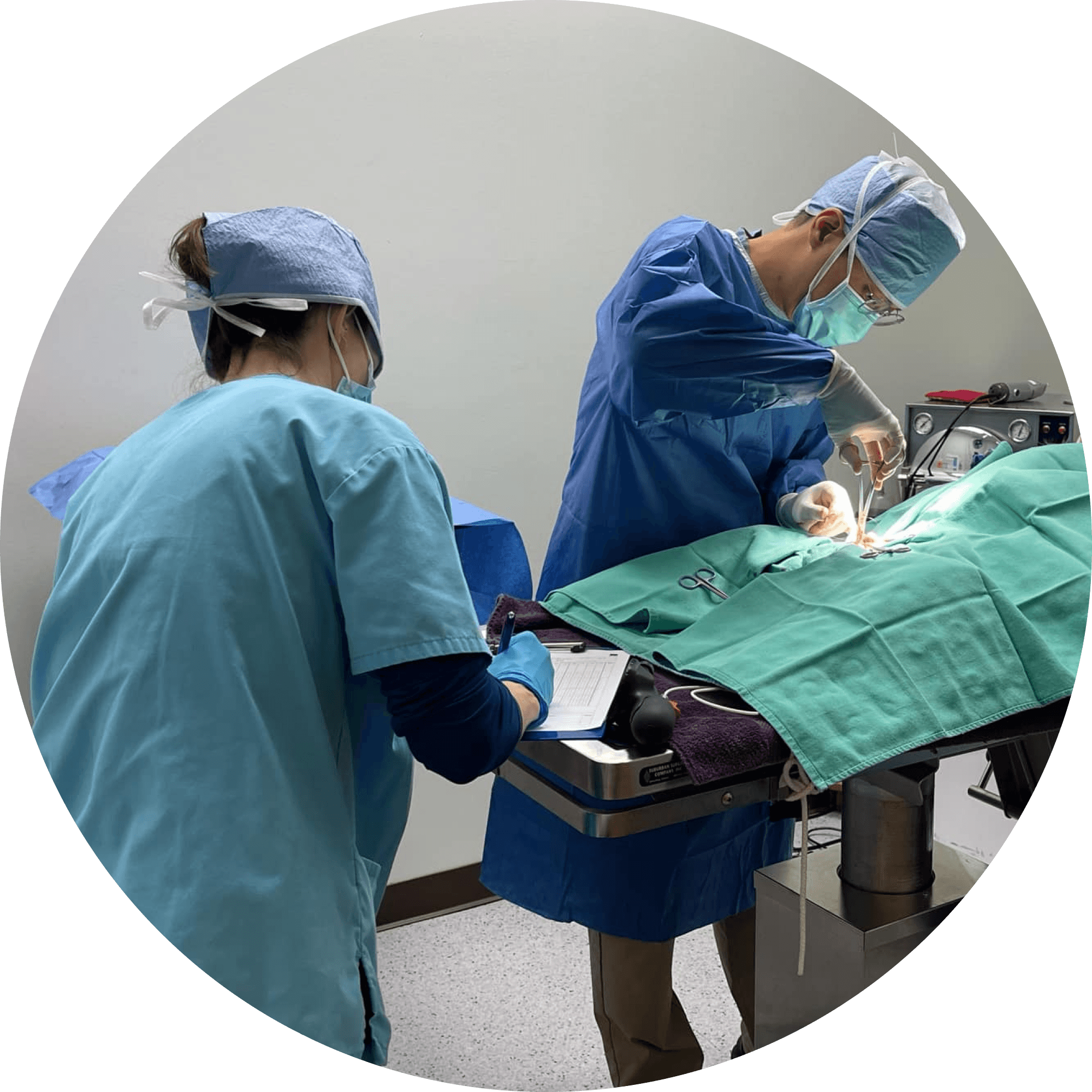
Dedicated Anesthetic Technician: The single most important piece of "equipment" we have is our trained staff. During every anesthetized procedure, a dedicated veterinary technician is assigned solely to monitor your pet's vital signs from induction until they are fully awake.
Before We Begin
Safety starts well before your pet falls asleep. We take every precaution to ensure their body is ready for anesthesia.
Comprehensive Physical Exam
Before any sedative is given, our veterinarian performs a thorough nose-to-tail exam to ensure your pet is healthy enough for the procedure on that specific day.
Pre-Anesthetic Bloodwork
We check vital organ function (like liver and kidneys) and red blood cell counts to ensure your pet's body can safely process and clear the anesthetic medications.
Customized Anesthetic Plan
There is no 'one size fits all.' We tailor the type and amount of medication specifically to your pet's age, breed, weight, and health status.
IV Catheter Placement
An intravenous (IV) catheter is placed prior to the procedure. This provides instant access for medications and allows us to administer supportive IV fluids.
Continuous Vital Monitoring
Once your pet is anesthetized, they are connected to advanced, hospital-grade monitoring equipment. We track their vital parameters continuously, just as would be done in a human hospital.

ECG (Electrocardiogram)
Continuous monitoring of heart rhythm and blood pressure.

Pulse Oximetry (SpO2)
Measures the level of oxygen in your pet's blood, ensuring their tissues are receiving adequate oxygenation.

Blood Pressure Monitoring
Essential for ensuring vital organs like the kidneys and brain are receiving adequate blood flow during the procedure.

Temperature Regulation
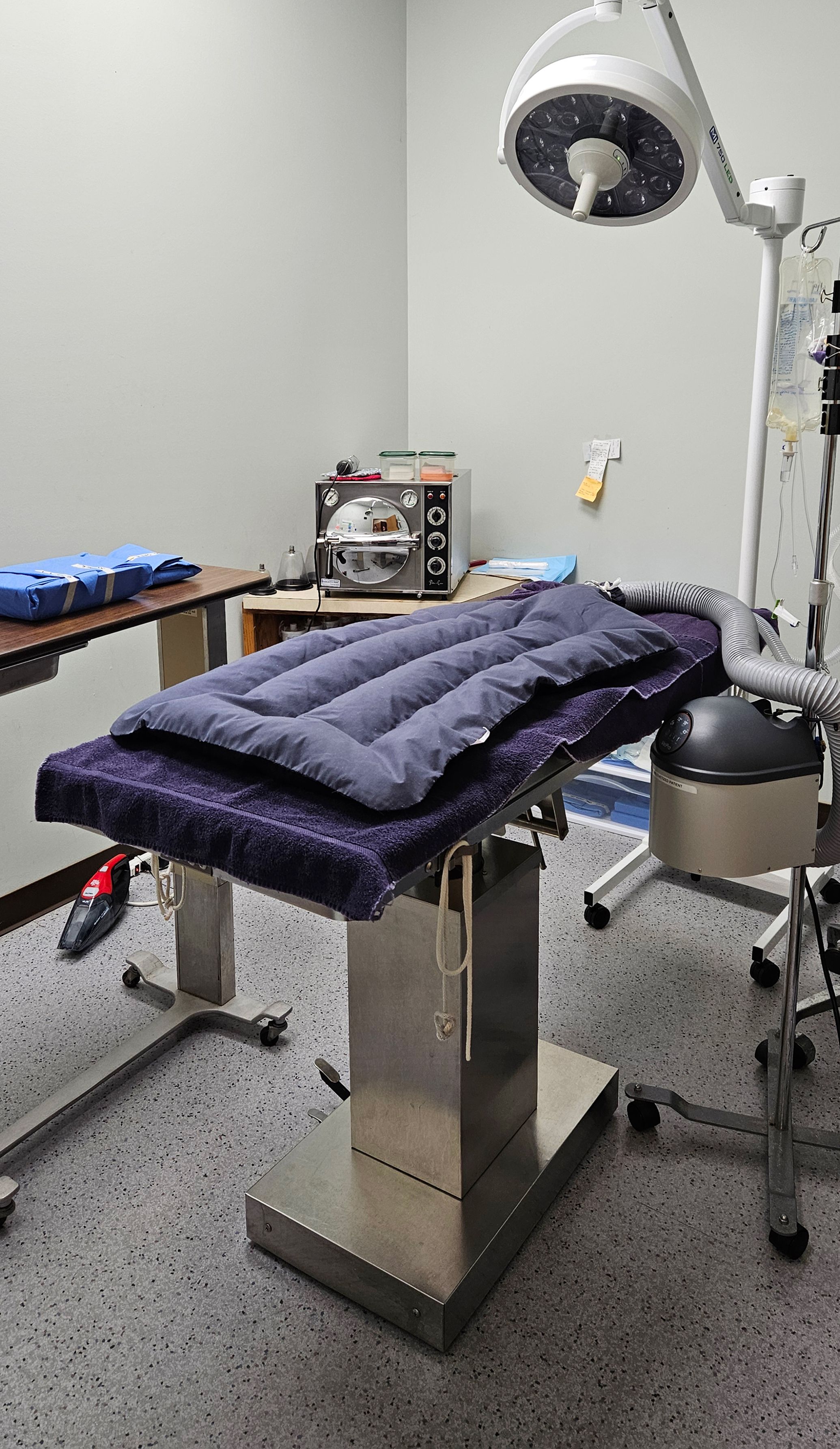
Anesthesia can lower body temperature. We use specialized warming systems (like warm air blankets) to keep your pet cozy and stable.
Intravenous (IV) Fluid Therapy
Administered during procedures to maintain healthy blood pressure and keep your pet hydrated.
AFTER THE PROCEDURE
A Gentle, Monitored Wake-Up
The anesthetic period doesn't end when the surgery or dental cleaning is over. The recovery phase is just as critical.
Continuous Observation: Your pet is moved to a comfortable, warm recovery area where a technician sits with them until they are sitting up and swallowing on their own.
Temperature Support: We continue to use heated blankets and warming pads to ensure their body temperature returns to normal smoothly.
Preemptive Pain Management: We administer pain relief before your pet wakes up, ensuring they remain comfortable and pain-free as the anesthesia wears off.
Have Questions About Your Pet's Procedure?
We are always happy to discuss our anesthesia protocols and your pet's specific needs. Your peace of mind is important to us.